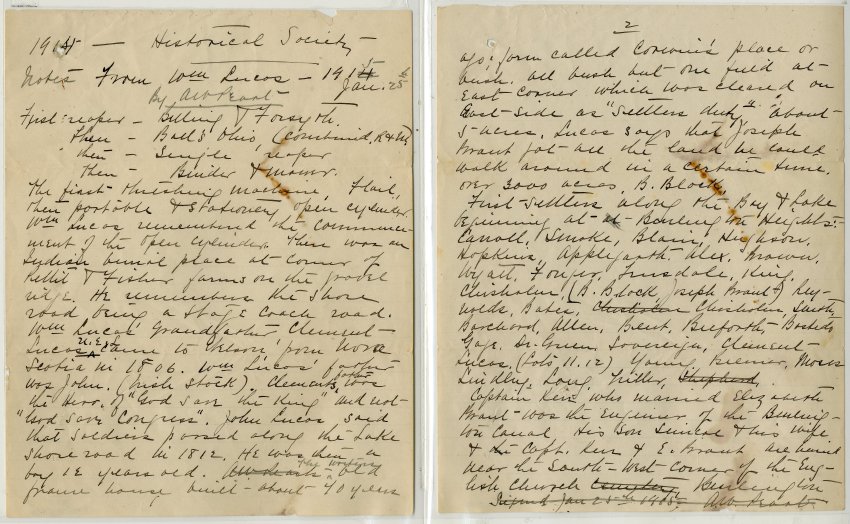
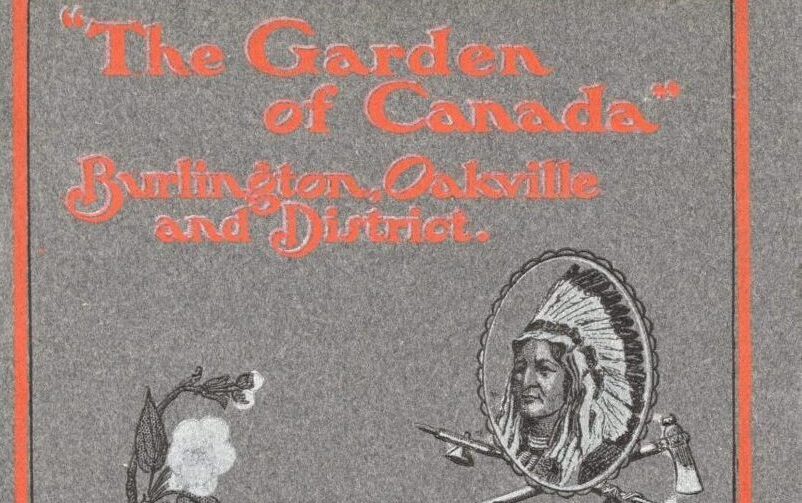
For much of the 19th and early 20th centuries, Burlington and the surrounding communities of Nelson Township were known as “The Garden of Canada.” The region’s fertile soil, mild climate, and proximity to Lake Ontario made it ideal for agriculture. This area is part of the traditional territories of the Haudenosaunee and Anishinaabe peoples. Long before European settlement, Indigenous communities lived on and stewarded these lands, harvesting plants, fishing, and hunting in ways that sustained their communities and maintained relationships with the local environment.
With the arrival of European settlers in the late 18th and early 19th centuries, the landscape began to change as forests were cleared and land was converted to farms. Early settlers depended on subsistence farming, growing crops and raising animals that could sustain their families throughout the year.
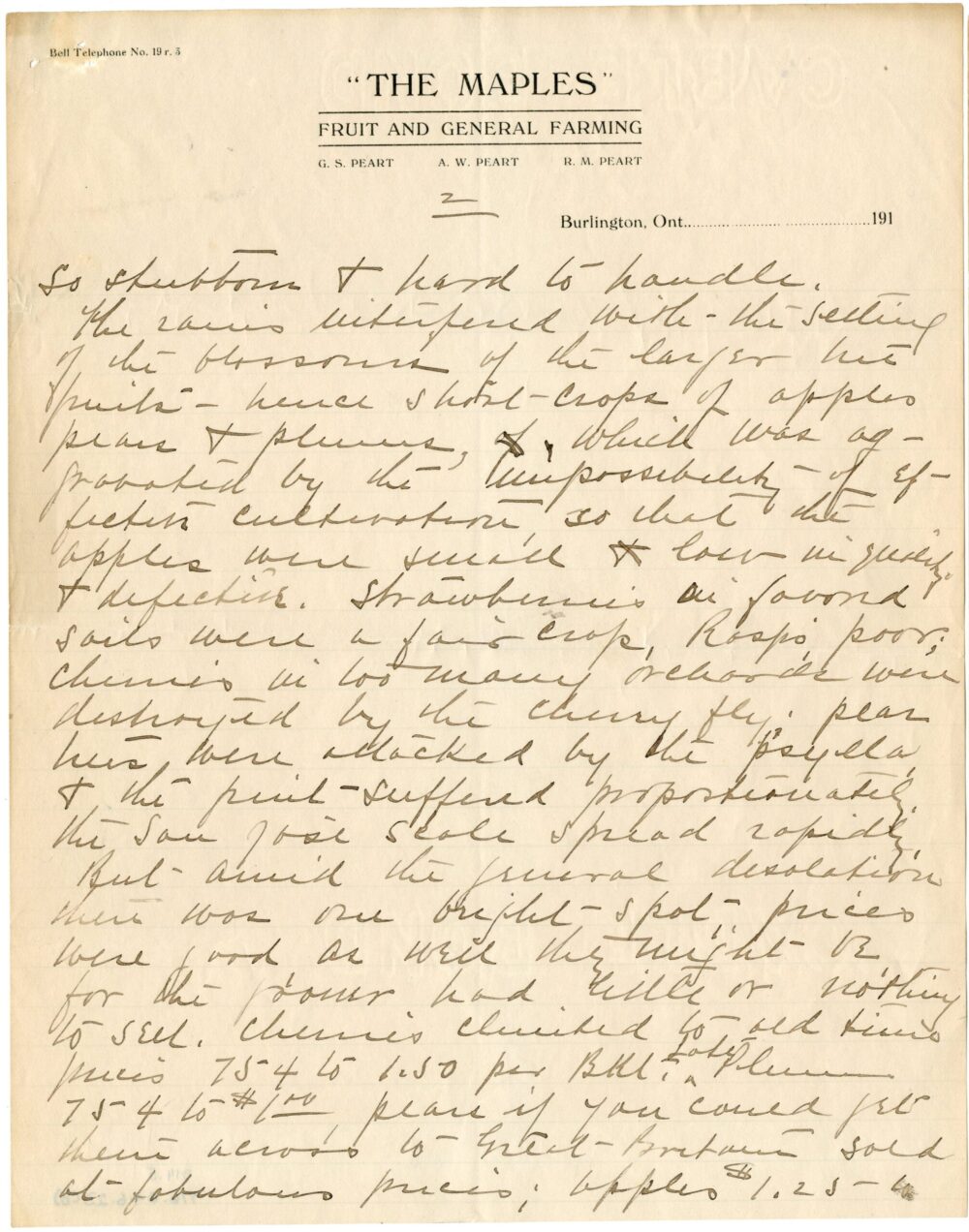
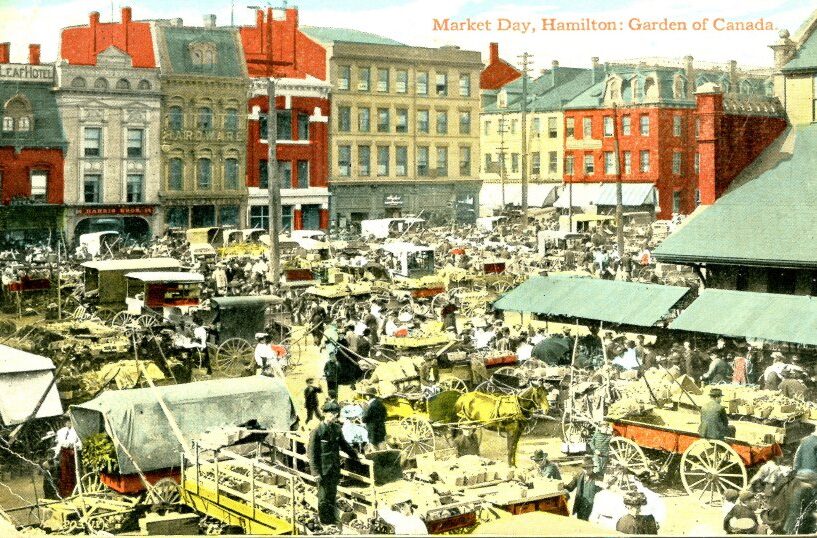
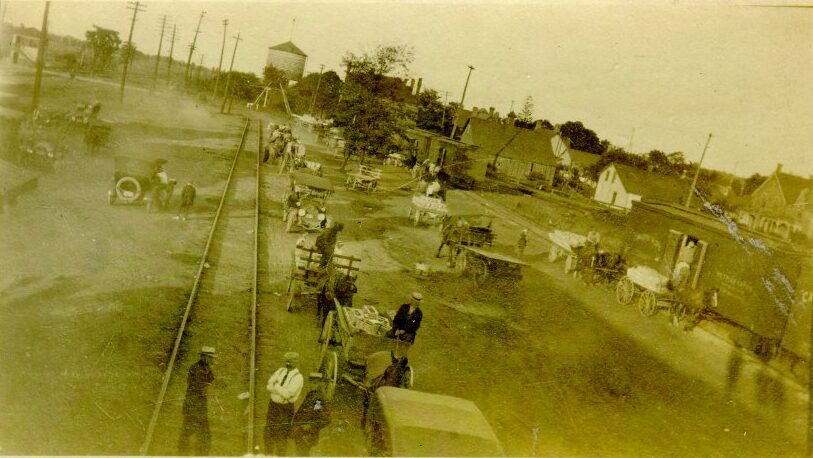
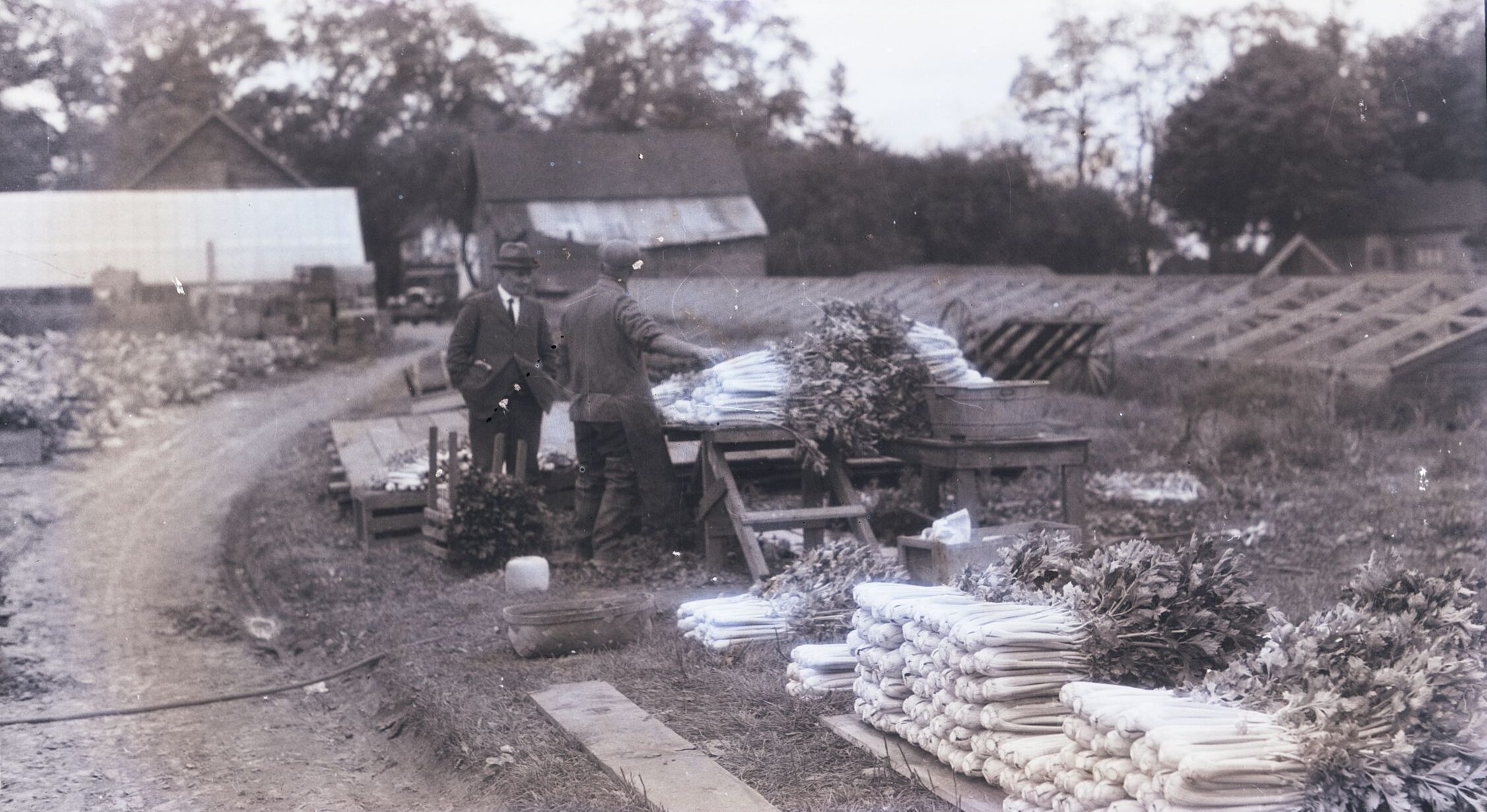
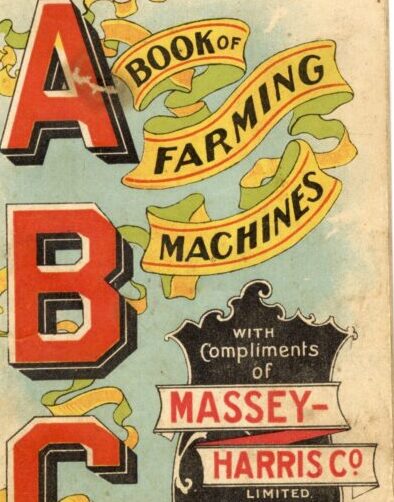
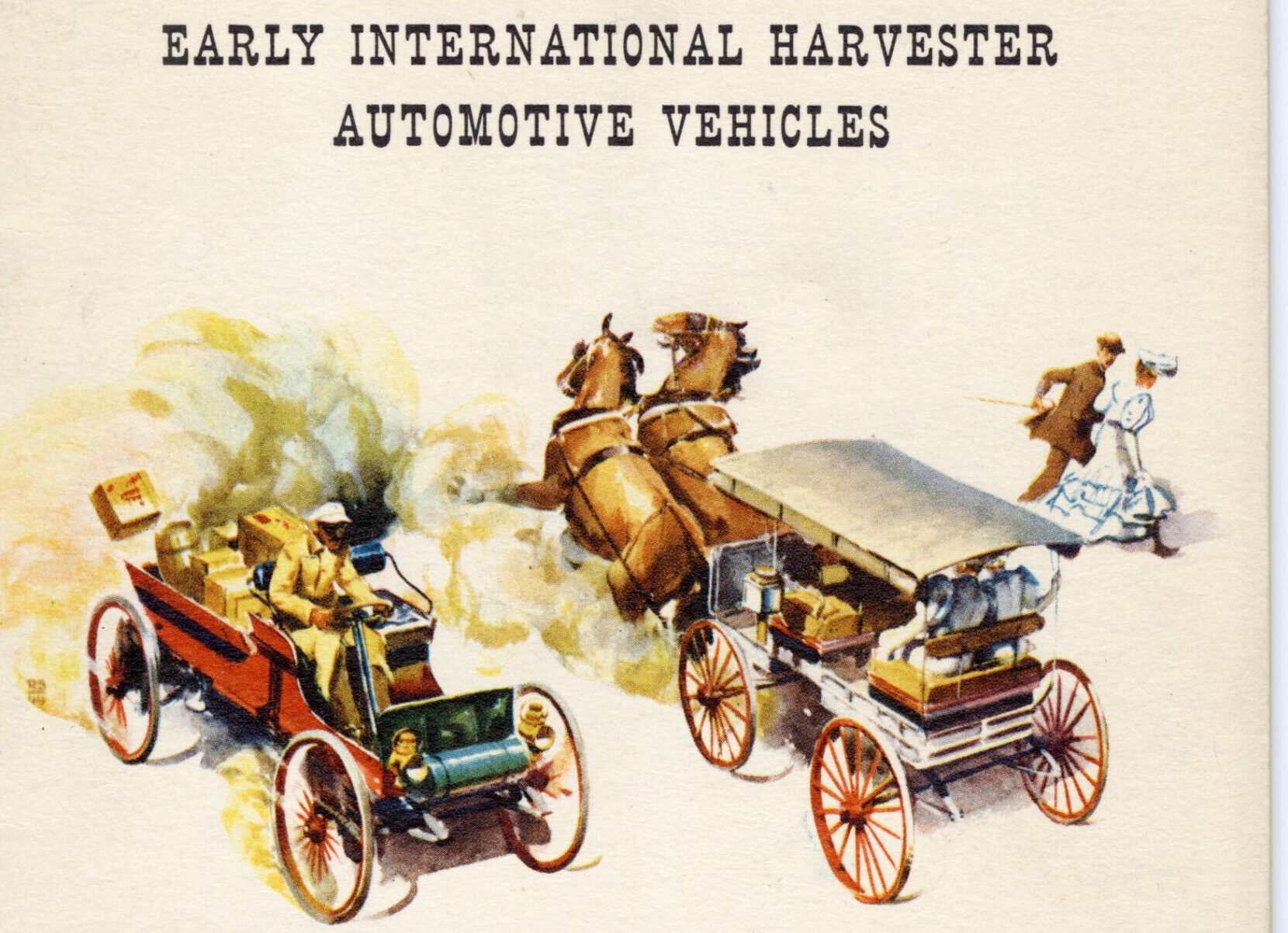
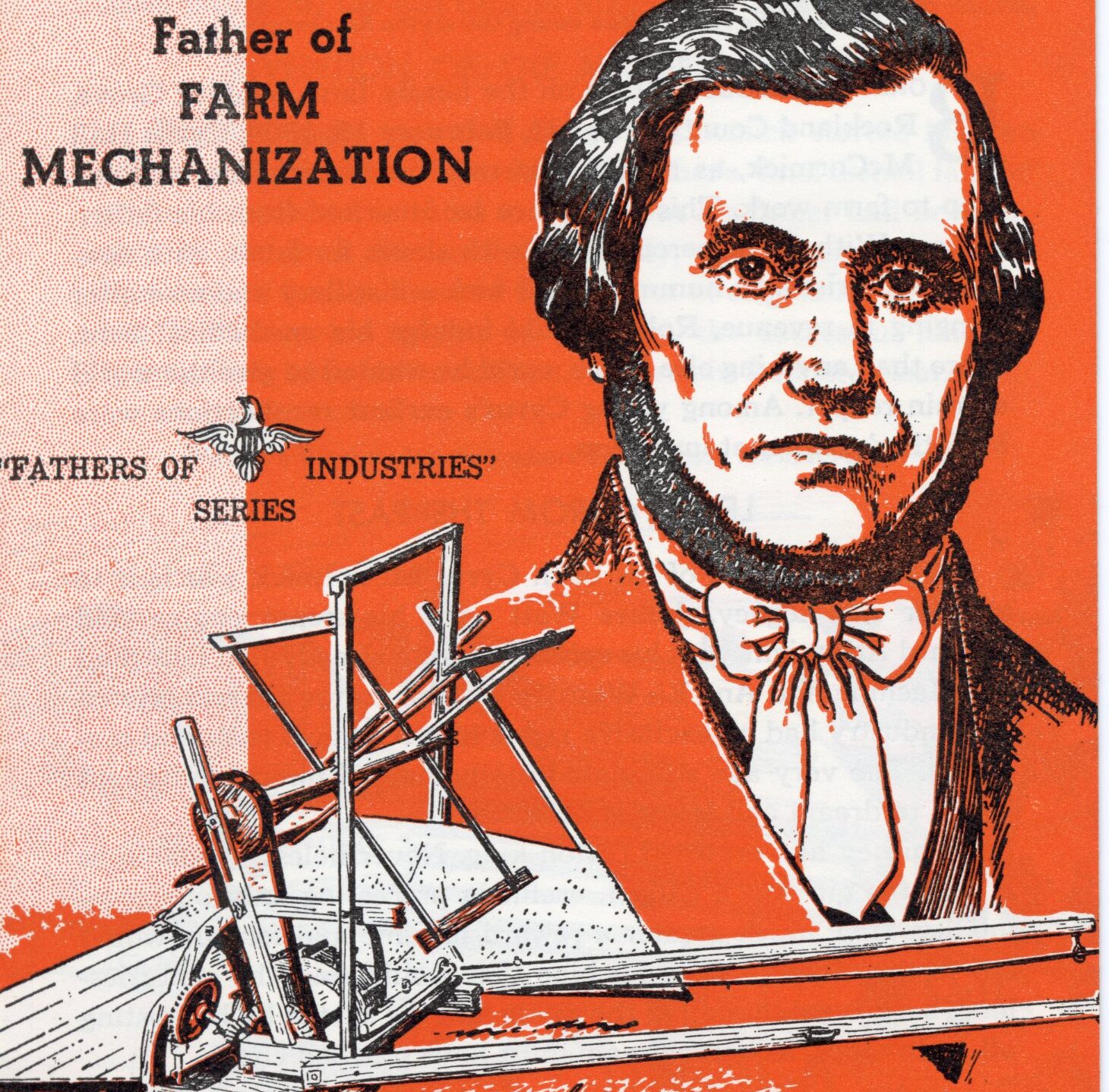
As communities grew, farming gradually expanded beyond household survival. Surplus crops were traded locally or sold in nearby markets, especially in Hamilton. By the late 19th and early 20th centuries, improved transportation, agricultural machinery, and expanding urban populations encouraged farmers to specialize in crops such as fruits and vegetables.
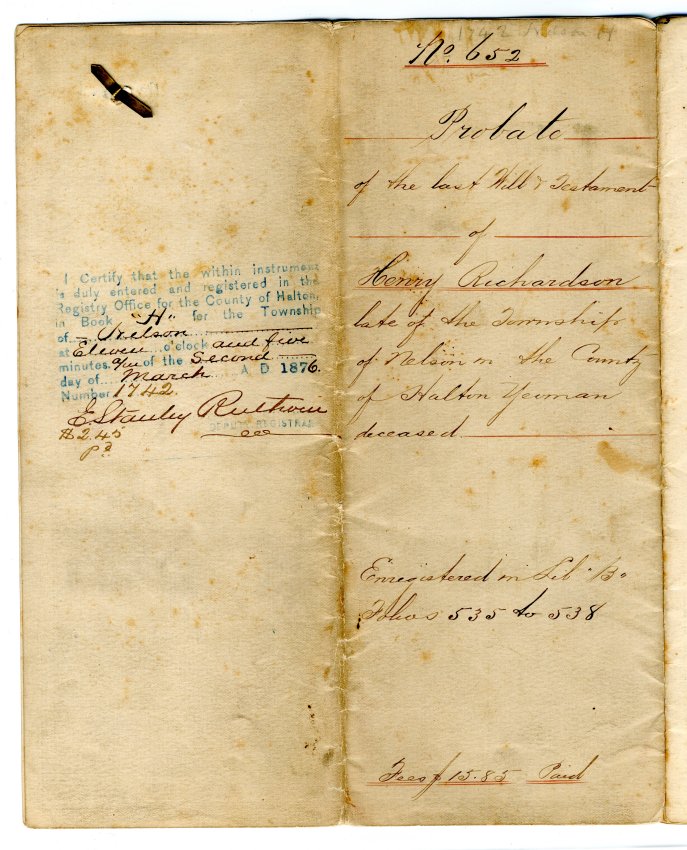
Market gardens and commercial farms began supplying produce to nearby cities, helping establish Burlington’s reputation as a productive agricultural region. These objects trace the evolution of farming—from early family farms to a thriving agricultural economy.