
Secondary processing refines, purifies, and extracts raw food ingredients into more useful or edible forms. The processes may vary depending on the food group, but all undergo drastic physical and chemical changes. Some products include: flours, sweeteners, and processed dairy.
-
Secondary Processing
Refining raw agricultural food
Artifacts
-
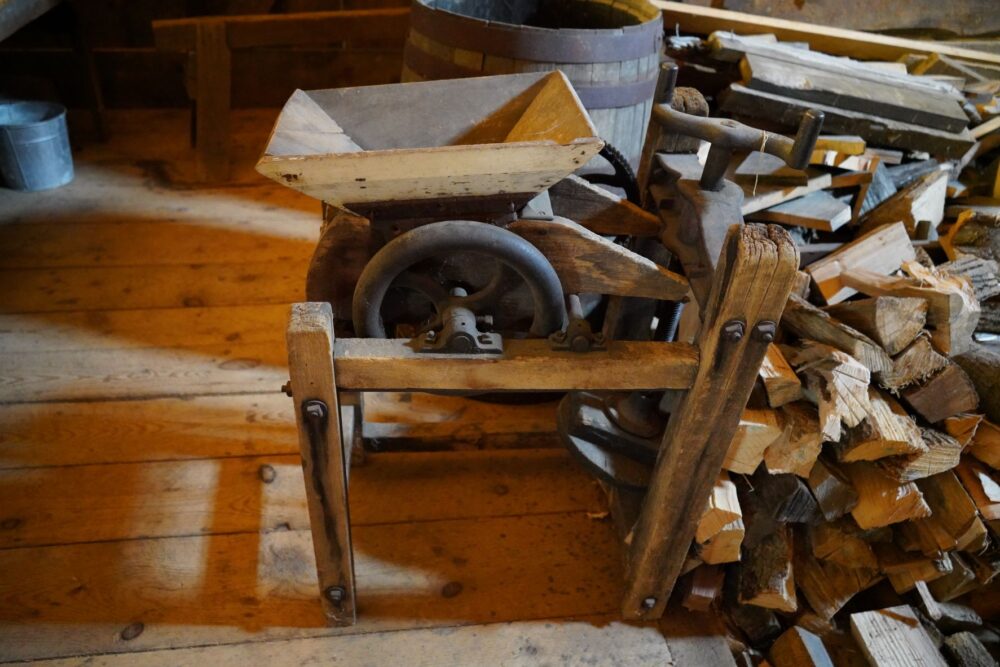
IHM1990.1.4 A-C | ca. 1890
Apple Cider Press
Cider is the process of crushing apples to release all of their juices. First, they are mashed into a pulp by the gears inside the press. Cheese cloth is added as a lining to the barrel in order to keep the apples contained. Afterwards, the crank turns and crushes the pulp. When the apples are crushed, the juices flow out from the bottom and is then collected into another barrel below. Apple orchards were very common in Burlington s, including the Ireland family’s farm. Records from 1861 show that they shipped up to 140 gallons of cider a year!
-
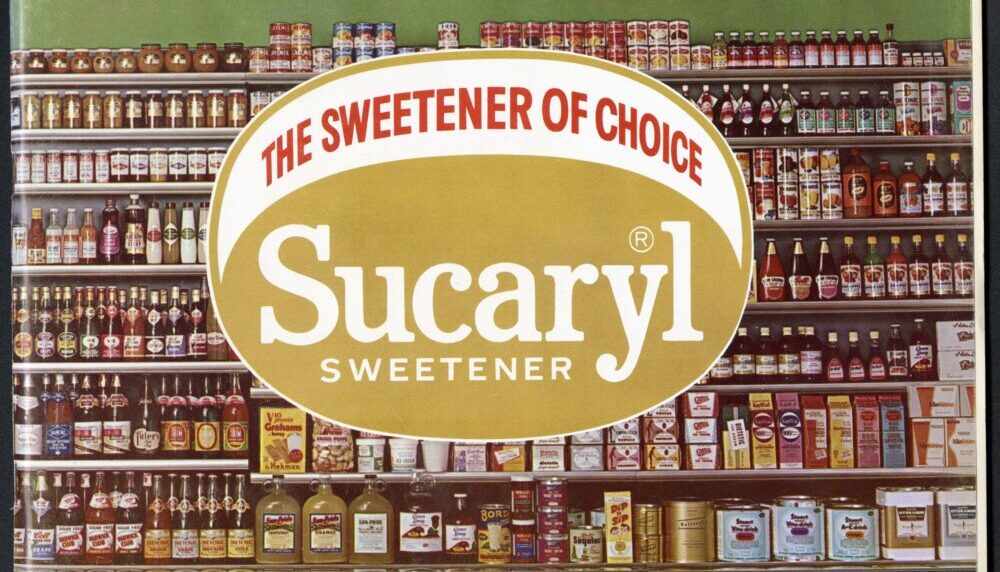
2008.13.121.1 | ca. 1962
Sucaryl Booklet
Sucaryl is a cyclamate-based artificial sweetener first introduced to the public in 1951. Sucaryl dissolved easily, and it also lacked bitterness in comparison to another popular sweetener, saccharin. Sucaryl consisted of 10-parts cyclamate and 1-part saccharin, since the two compounds together tasted better rather than alone. Throughout the mid-1900s, Sucaryl became a household pantry staple and came in the form of prepackaged diet foods or pills to sweeten reduced-sugar food.
-
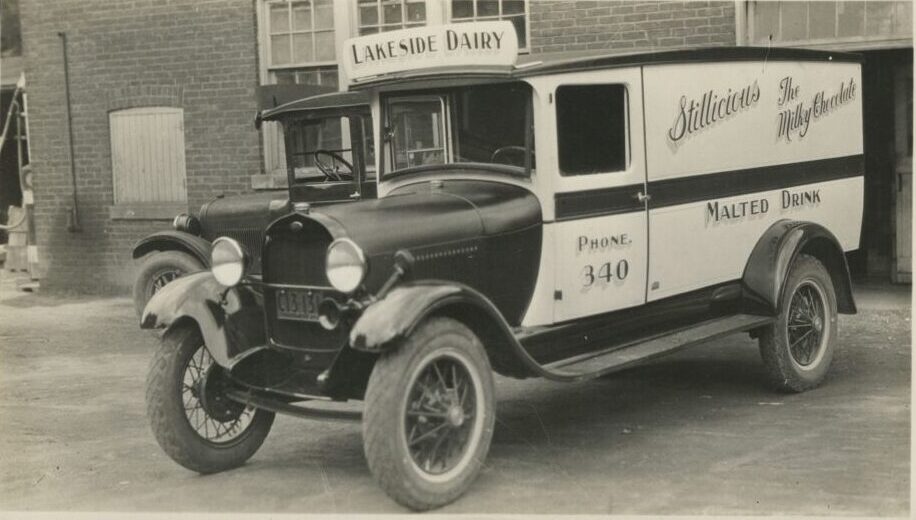
2012.32.595 | ca. 1920-1940
Lakeside Milk Delivery
Malted milk is a powder made out of barley, wheat flour, and evaporated whole milk. The powder added a distinctive flavor to food and beverages. Originally, it was invented to offer a nutritional supplement to infants. Due to its lightweight, nonperishable, and nourishing qualities, malted milk became the food of choice when traveling. Lakeside Dairy started operations in March 1914 by Charles Miller. Burlington residents were encouraged to call their phone line to get on their delivery list!
-
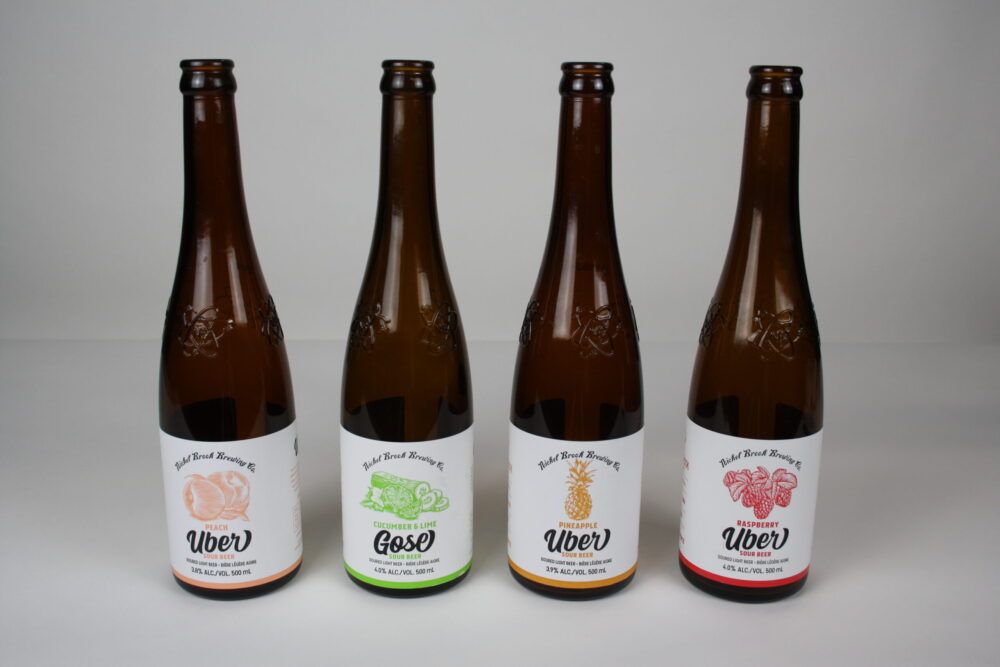
2022.3.2-2022.3.5 | ca. 2021
Nickel Brook Brewery Sour Beers
The beer brewing process begins with grain that is germinated to become malt and which is then fermented. The grain goes through multiple stages of processing that heavily influences flavour and colour, making beer quite scientific! Nickel Brook Brewing Co. enjoys experimenting with unique yeast and bacteria strains to elevate the flavour of their craft beer. Their slogan is even, “Beer Down to a Science!”
-
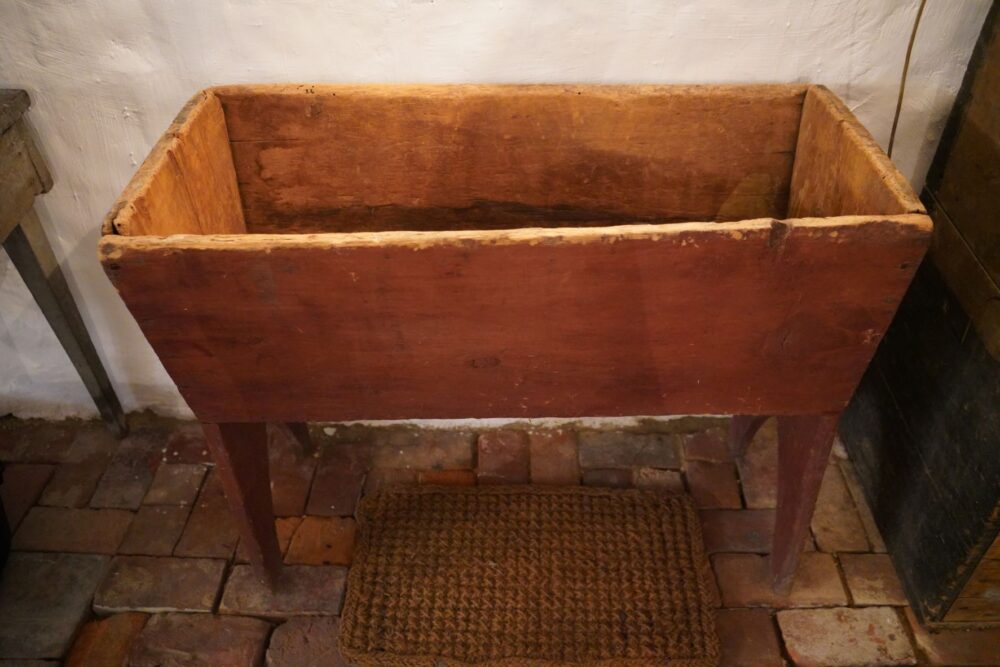
IHM1990.14.3 | ca. 1840-1880
Dough Box
Baking bread was an important and daily task in homes many years ago. A dough box provided a work area to knead and proof the dough without making a big mess. The lid provides protection from pests and an area for baked bread to rest. Typically, the box would be positioned near the fire so the warmth could make the dough rise properly and improve flavor and texture. The yeast in the dough expels carbon dioxide as it feeds off the sugar, causing the dough to rise. The process is referred to as fermentation.
-
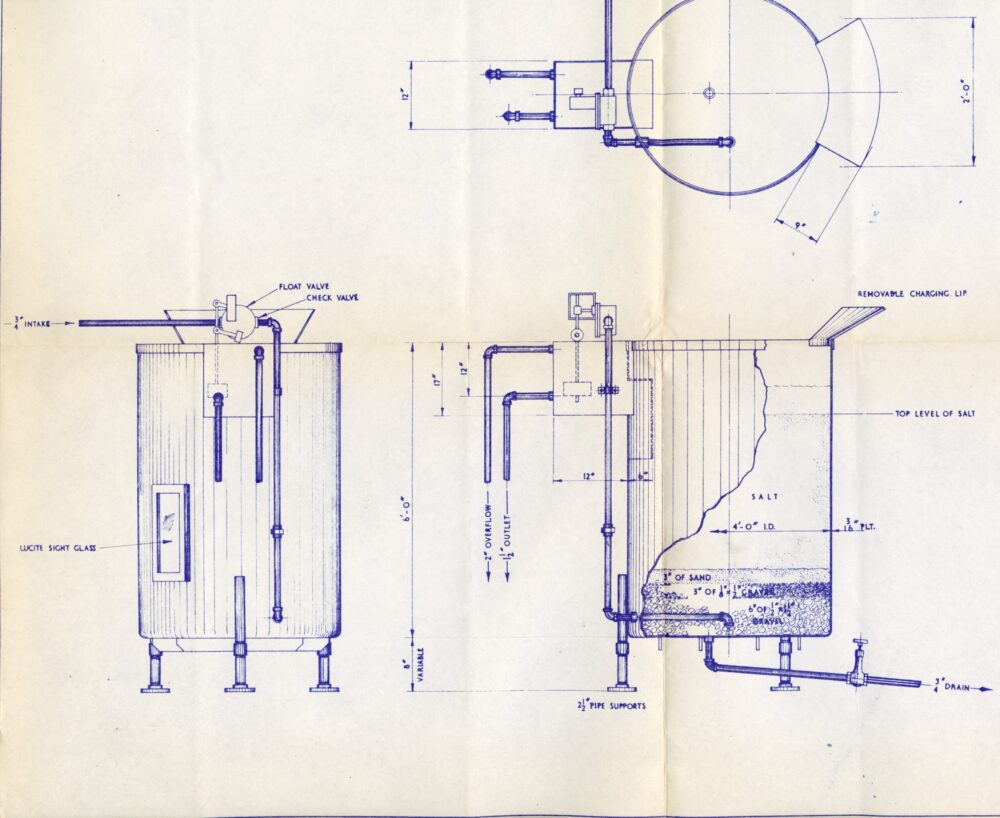
2008.13.99.8 | ca. 1954
Brining Equipment Blueprint
Brining is a method of preserving food using water and salt. The concentration of salt inhibits bacteria growth, while adding more flavour and tenderness. It traps the liquid so that it cannot evaporate during the cooking process. This blueprint is an engineered system for making a uniformly saturated salt brine. With an engineered salt dissolver, processors maintain a saturated brine of high purity that can be diluted easily and accurately to meet different requirements.
How does grain go from primary to secondary? Click on the image to find out!
