
Primary processing turns raw food products into something that can be safely consumed. It involves cutting, cleaning, packaging, storage, and refrigeration of raw foods so that it is safe to eat or is ready for use in manufacturing of other food products. Examples include: milling of wheat, pasteurizing milk, and smoking meat.
-
Primary Processing
Ensuring raw agricultural food is not spoiled before consumption
Artifacts
-
IHM1989.9.121 A-Q | ca. 1901
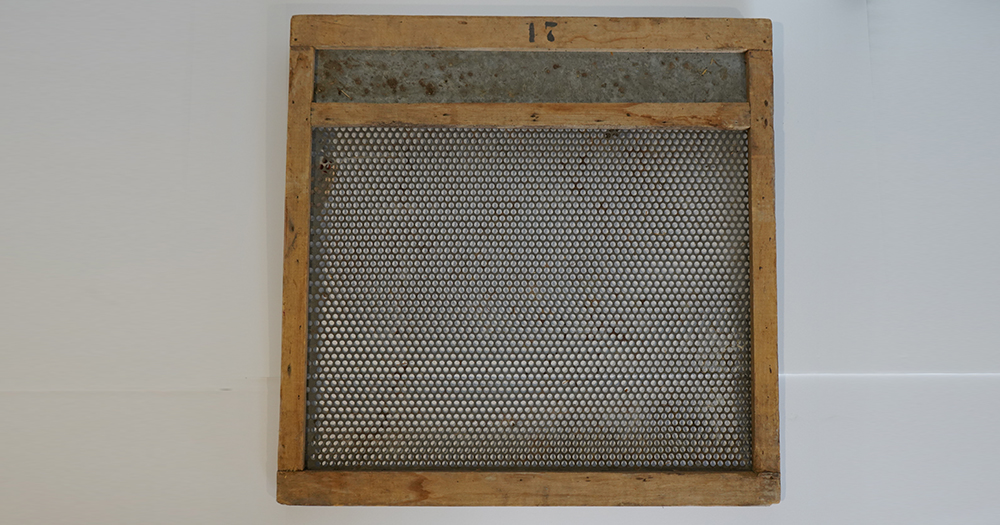
Fanning Mill Mesh Screens
In the 1800s, many Ontario farmers grew wheat as it was considered an important commodity. Eventually, growing wheat shifted to the Prairies while Ontario focused more mixed farming. Fanning mills use several layers of vibrating mesh screens to remove impurities such as stone and dirt to produce clean grain. This fanning mill was owned by the Ireland Family in Burlington. In 1861, records showed that they sold over 1,000 bushels of wheat.
-
Burlington Historical Society | ca. 1989
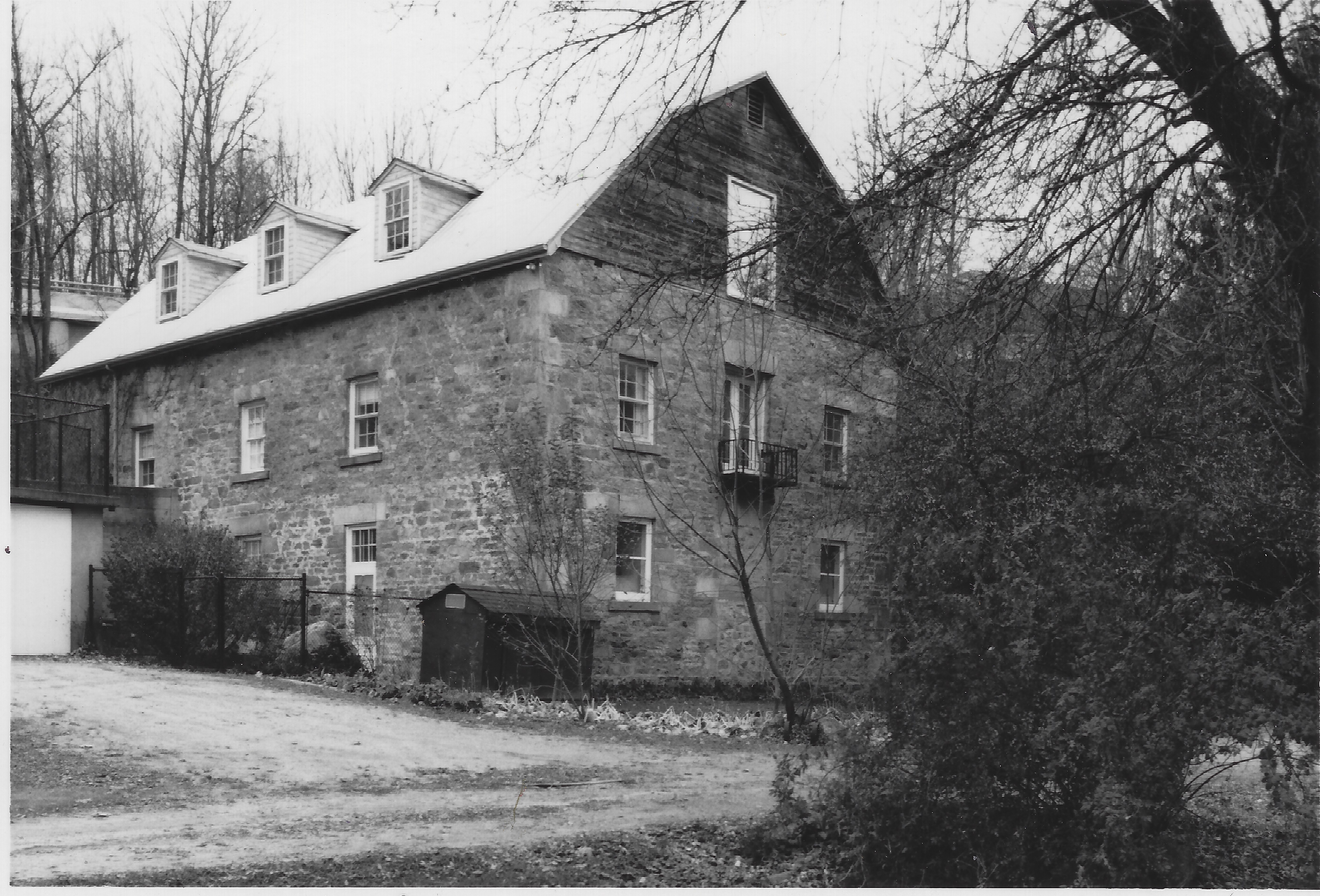
Lowville Mill
During the 19th century, wheat was an important commodity and was the crop of choice for Ontario farmers. The Lowville Mill was built in 1834 by James Cleaver and ran all day during its peak. People travelled to have their grains milled at this location, which ultimately influenced the development of Lowville. For example, to accommodate travelers with horse-drawn wagons, a blacksmith shop and General Store opened. The original mill burned down in 1934 and was reconstructed. It finally ceased operations in 1957, and eventually converted into a private residence.
-
1985.380.311 A-D | January 22, 1973
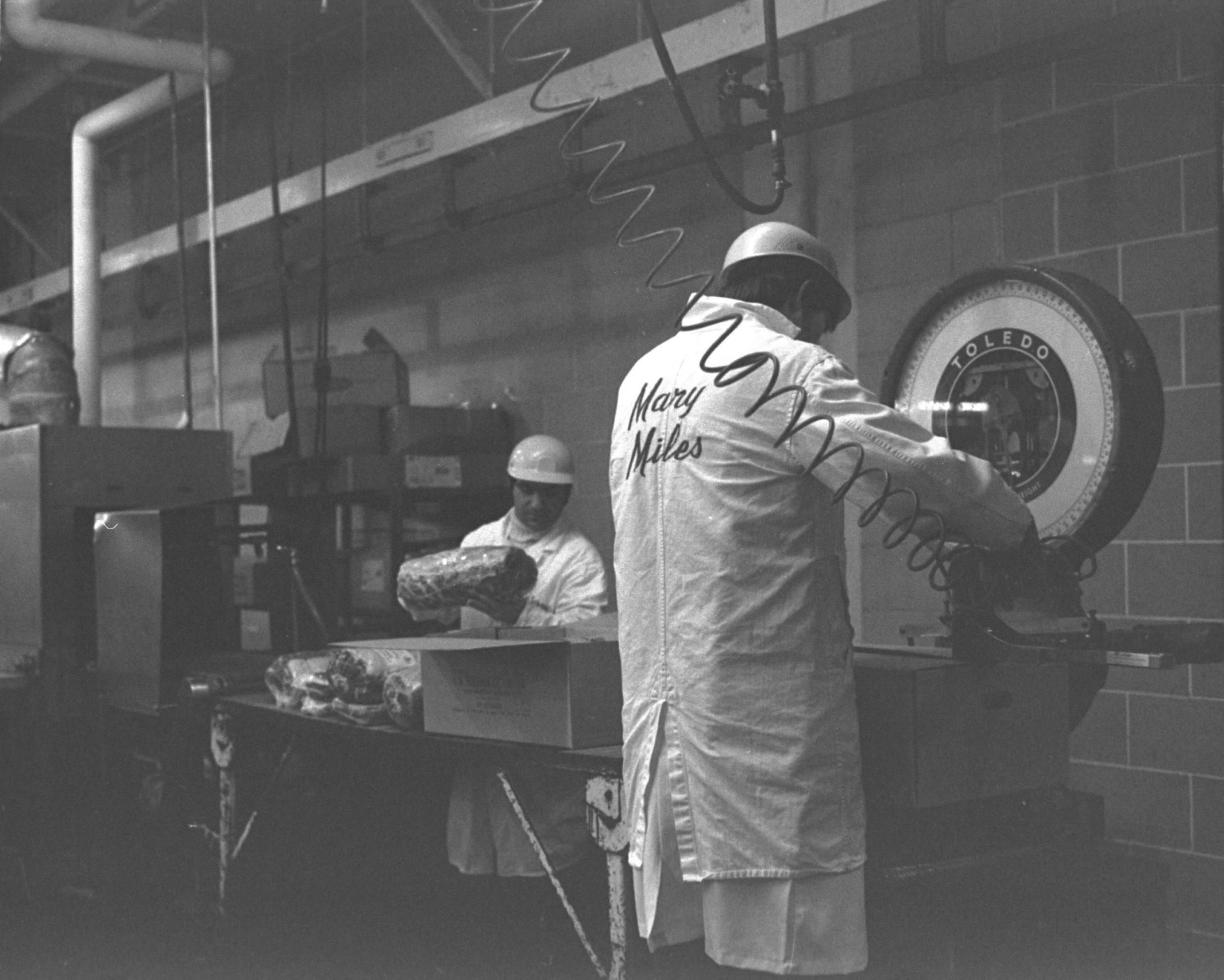
Fearman Assembly Line
Originally built in 1852 in Hamilton, Fearman’s Pork was the largest pork processing facility in Ontario. The Burlington facility opened in 1962, and has expanded to over 365,000 square feet over the years since. Fearman’s was known for their sugar-cured hams and smoked meats but they supplied products to other food services providers, processors, and retailers. Fearman’s is one of Burlington’s biggest employers. Recently, it was acquired by Sofina Foods Inc.
-
IHM1999.1.1 | ca. 1924
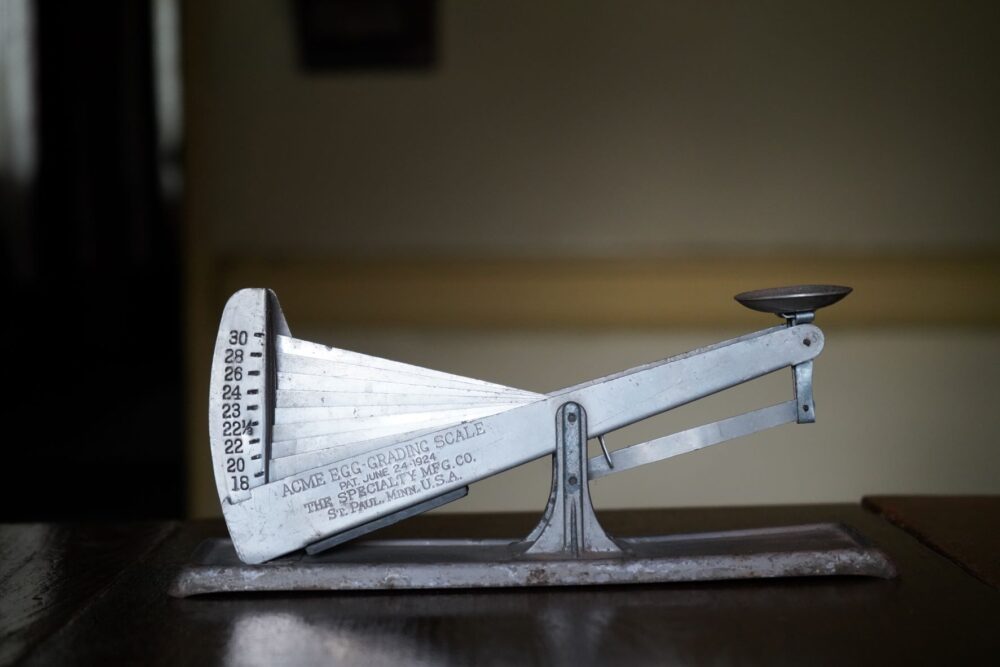
Egg Grader
In the early 20th century, eggs were graded by weight to standardize pricing and help farms with marketing. The measurement on the left is calculated at weight per dozen, and then similar sized eggs are grouped together to be sold. Both World Wars created a large market for graded eggs to be bought in huge quantities to feed soldiers fighting overseas.
-
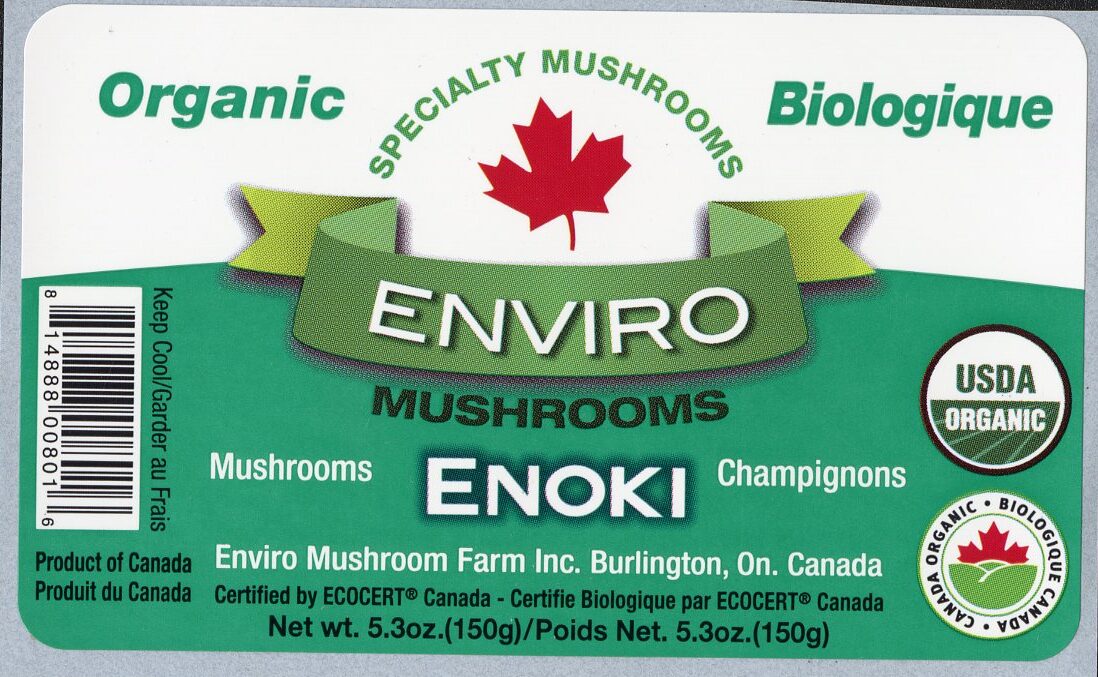
2022.11.16 | ca. 2022
Enviro Mushroom Farms Labeling and Packaging
Enviro Mushrooms is a farming plant in Burlington that grows mushrooms through an innovative technique called “bottle cultivation/tek”. The mushrooms are grown in a controlled storage environment where it is sterilized, incubated, and germinated. From growth to grading, to packaging, and then transportation, Enviro does everything in-house. Their process also eliminates waste by composting leftovers and selling them. Mushrooms are grown and then sold straight to consumers!
-
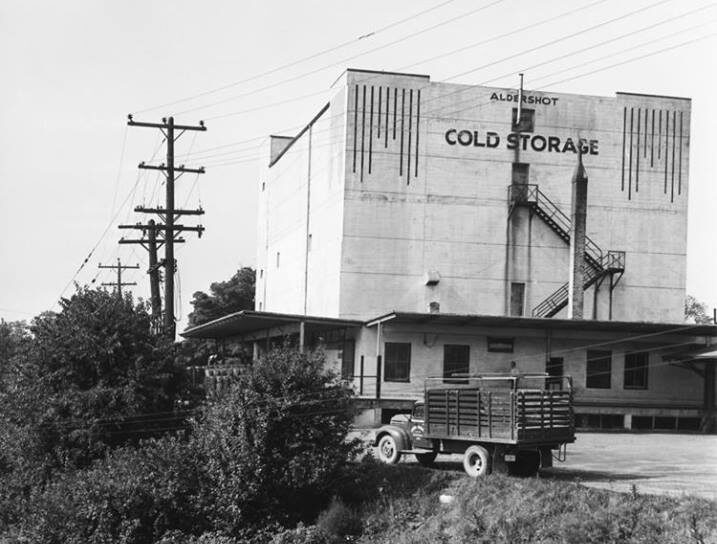
Burlington Historical Society | ca. 1950
Aldershot Cold Storage
We can have an apple a day thanks to innovative technology! When apples are harvested, they are transported to a controlled-atmosphere storage where the environment is carefully regulated. Apples can breathe, so putting them in a deep sleep slows their ripening process, keeping them fresh for months. The Aldershot Cold Storage was built in the 1930s to accommodate local farmers requiring refrigeration for their fruits and vegetables. The facility was located on Waterdown Road before being torn down in 2008.
To understand each process, let’s look at it visually, too. Let’s follow one way grain is processed from primary to tertiary. Click on the image to view our first stops.
